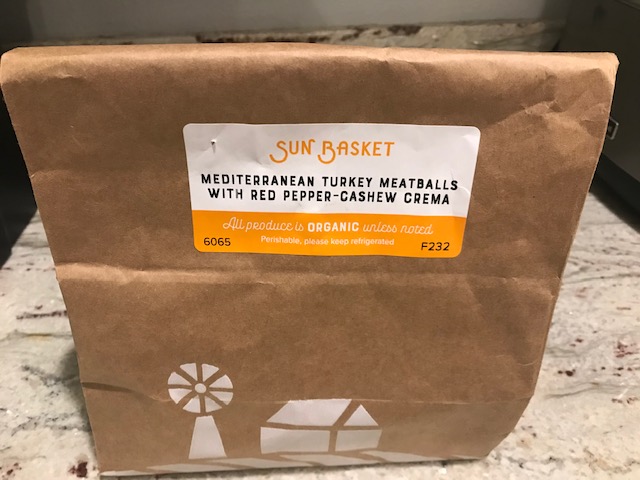
I’ve been a meal kit subscriber for a couple of years now. I love food, love trying new things and eating out. My own go to cooking style however is decidedly uninspired so the convenience, selection and easy to follow recipes included in the meal kits is perfect for me. I’ve tried a couple different meal kits, but Sunbasket is my go-to. I partially credit them with helping me improve my diet and lose over 50 lbs. Last week when my Sunbasket was delivered it came with a letter inside describing how they are changing their packaging to keep up with seasonal heat and decrease spoiled food. The letter emphasized Sunbasket’s commitment to sustainability and described the new recyclable and biodegradable packaging materials. Obviously how the meals are packaged is a big variable. What I have experienced is that meal kit providers use predominately environmentally friendly packaging materials. Alternative materials such as denim, cotton and paper insulation are used in lieu of Styrofoam. Still, when I am disposing of the box and packaging materials that my food is delivered in I can’t help but wonder if I’m doing the right thing.
Though I’m inclined to think Sunbasket and companies like it that offer organic, non-GMO responsibly sourced food are environmentally friendly I wonder what the overall footprint of delivered meals compared to food traditionally purchased at a grocery store is. What I have found is that there is very little research published on the subject. One study by ScienceDirect found that meal delivery services do have a significantly smaller overall carbon footprint compared to meals bought from a grocery store. According to their study grocery meal greenhouse gas emissions are 33% higher than meal kits. This takes into consideration emissions getting the food to the grocery store, refrigeration & time spent at the grocery store, and the customer traveling to the grocery store to make the purchase. The study states that customers often make multiple or last-minute trips to the grocery store for specific ingredients.
Food waste is another consideration. The direct to consumer supply chain of the meal delivery service eliminates the food waste attributed to spoiled non-purchased food at the grocery store. The US Department of Agriculture estimates that 31% of food in America is thrown away and that more than two thirds of that waste is in our kitchens. Meals made from kits eliminate this waste because only enough of each ingredient to make that meal is included in the kit. When meal kit providers have excess food it is donated. Most meal kit companies support local food banks or organizations such as Meals on Wheels.
After learning what I could about the environmental impacts of meal delivery kits I feel better about my purchasing decision. I’m sure there are other factors that play into this that I have failed to consider here so if you have any thoughts or comments on this subject I would love to hear from you.


 Sabrina Siino's Sustainable Travel Blog